
“It isn’t easy being green.” Really, it isn’t.

While I’m not a tried and true vegan, I love the benefits a plant-based, low-dairy diet has for health, and I often make vegan choices.
Veganism is quite often a step that comes after vegetarianism. It seems easy- you’ve already cut out meat products, how hard would it be to cut out eggs & dairy?
Well, even if you’re someone who thinks that’s simple, it’s not as easy as it sounds. I told you Kermit knew what he was talking about.

Can you identify these common ingredients and where they come from?
Cochineal extract
Aspic
Confectioner’s glaze
Stearic acid
Chymotrypsin
You guessed it: all animal products.
Cochineal extract is a red dye made from crushed cochineal insect carcasses. It’s also called carminic acid, carmine, and natural red 4A.

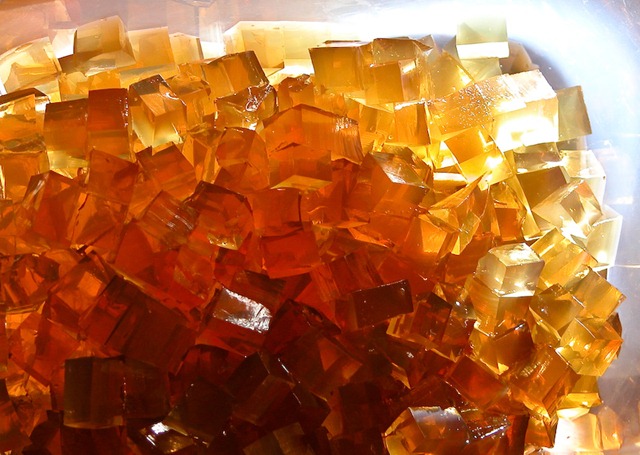
Besides being something that Julia Childs has mastered, aspic is jelly made from meat or fish.
Confectioner’s glaze is not simply a sugary concoction- it’s a type of “food shellac” that comes from an insect.
Stearic acid is a fatty acid that comes from animal fat (tallow).
Last but not least, chymotrypsin is an enzyme extracted from ox pancreases.
What about things you can’t read labels on?
McDonald’s has revealed it uses animal products to cook their fries
Wine & beer can be made with animal based “clarifiers”.

Sugar is processed with bone char to remove the color.
Chewing gum can contain multiple sources of animal ingredients, like glycerol & lanolin.

Insulin- yup, the insulin used by diabetics comes from hogs.
I’ll stop now, but the list goes on forever. Here are some more non-vegan ingredients that tend to pose as veggie friendly (things like butter, caramel, and soy cheese).
Whether you’re vegan, vegetarian, or not- it’s good to know what’s in our food.
What ingredients have surprised you? If your vegan or vegetarian, do you read food labels? What do you do if you don’t know what an ingredient is? What do you do at restaurants?


14 Comments