Health Info, Nutrition
Hey guys – the following is a sponsored post I’ve created with a brand that I believe in and we already use in our day to day lives. I feel good about supporting it and hope you do too. Here’s to a happy, healthy, and active winter season despite all the potential for blah, boredom, and bad bugs – boost immune system this winter with Renew Life Formulas!
We spent the last week essentially trapped at home, with a school holiday overlapping a bigger-than-predicted snow storm (here in NC we don’t have a million plows that get to work the minute the flurries start – we have to wait until they get to us, if that happens before the snow melts. We usually end up getting plowed by whatever leftover construction equipment that can be found). Eventually we were able to get outside and take full advantage of the fun that snow provides – sledding, snowball fights, questionable looking snowmen – but the first couple days were that miserable kind of dreary grey with the snow still coming down and the wind attacking your face no matter which way you turn. Not the kind of weather you muster through with a two and six year old.

While the time off school was certainly fun, I think most of us can agree that there’s only so much fun that can be had before cabin fever sets in and you start bouncing off the walls. And when your kids bounce off the walls on a good day, it’s needless to say that things can get just a bit crazy if you don’t get a little creative. Not to mention it’s hard to stay active and healthy when you feel like you’re stuck indoors all the time. {Seriously, being a mom during a dreary winter takes some serious guts.}
Here are some of the ways we fight off the winter crazies and keep our family active and operating at 100%:
– Couch cushion forts (sneaky mom-hack: toss a vacuum in the mix and trick the kiddos into cleaning for you)
– Stream a workout and make it a game (hey, might as well use technology to your advantage) – this one does triple duty: let’s me squeeze in a bit of a workout, entertains the kids (at least for the first 10 minutes), and burns off some of that we’re-stuck-inside-again energy.
– Obstacle courses – using whatever you can get your hands on – pillows, toys, even streamers to create a “web” in a hallway.
– Workout equipment in disguise: think jump ropes, mini trampolines, and music-filled dance parties.
– Hot cocoa and marshmallows {because what snow day is complete without hot chocolate?} We boost it up a bit by adding turmeric for everyone and give a little kick with cayenne for the grownups {although my 2 year old has no problems stealing mine and finishing it, spice and all}.

While most moms were pulling their hair out about another day out of school, I would be lying if I said I wasn’t upset they were missing a week of nasty germ exposure. The flu is running rampant around here (and everywhere), not to mention the ever-present snotty noses and hacking coughs that seem to follow kids around all winter long.

And while avoiding germs is certainly helpful, it’s not exactly practical unless you have a snowstorm as an excuse to hide out.
So we do what we can to boost immunity:
– Shoes at the door (hey, husband, I’m looking at you here). It’s amazing all the junk our shoes can track in (and my floors are messy enough without the extra dirt thank you very much), so we check them the at the door. (Baskets everywhere are your friend.)
– Kid-safe essential oils. I use an immunity-boosting blend in the kids’ rooms at night, as well as use it to make safer hand sanitizer (which admittedly I’m not great about remembering to use) and cleaners for “big touch” items like doorknobs. We also use a sniffles and cough blend for when there are actual signs of illness on the brink (which basically means always for my 2 year old).
– Elderberry. We use this as a preventative measure (my kids actually beg for it) as well as have it on hand in case illness strikes, when we’d up the dose and frequency. It can supposedly decrease the duration of the flu by 3 days, with no icky drug side effects. Hopefully we won’t have to test the claim ourselves.
– Vitamins and fish oil. I’m not even going to pretend my kids eat well enough on a daily basis to meet all of their micronutrient needs, so we fill the gaps with a multi and a fish oil that contains vitamins A + D. Vitamin D is a HUGE immunity booster and so important in maintaining gut health.
– Probiotics. Probiotics are amazing powerhouses that help keep our guts healthy, balanced, and functioning optimally.

Why is keeping the gut healthy so important, especially during these crazy months of winter weather? As strange as it sounds, up to 70% of your immune system is in your gut.
Did you know that in addition to your immune-system, your gut is directly related to your mood?! Up to 95% of your serotonin (the feel-good hormone) is created in your gut. Just another reason to keep that gut healthy – to keep you happy, especially during the dreary winter months when you’re stuck inside. (And seriously, I’ll take all the mood-boosting I can get!)
Practicing health-ful habits and taking positive preventative actions like taking a daily probiotic can help keep your gut (and therefore your immune system + your mood) operating at it’s prime. Our family uses Renew Life Ultimate Flora Probiotics (the kiddos use the chewable version), which are gluten and dairy free. The Extra Care Probiotic has 30 billion live cultures per capsule with 10 scientifically studied strains (each strain plays a different role), supporting digestive and immune health.
I know talking about gut health isn’t exactly riveting and exciting, but if it weren’t for a healthy gut, there’s no way I’d be able to handle staying active + energetic while keeping two young kids up and at ‘em. To me, it’s essential to my physical and mental health. Operating at my best literally starts from within.
How do you stay healthy and active during these potentially dreary winter months?

Also – Renew Life is having an exclusive President’s Day Sale Feb.19 – Feb. 23: 25% Off + Free Shipping and Triple Renew Rewards. No Promo Code Required. Shop and Save at RenewLife.com
[Just a reminder, this is a sponsored post written by me on behalf of Renew Life Ultimate Flora Probiotics.]

Health Info
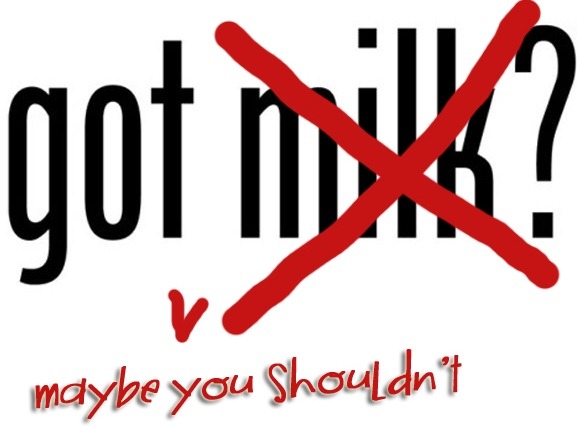
Apparently my little dig at dairy didn’t go unnoticed. You asked why I wasn’t on board. Here ya go!
Let me start by saying that I find dairy one of the most confusing topics about nutrition. There’s not a definitive consensus on many of the issues involving dairy and research is more limited than you’d think. My issue is less with dairy itself, and more with the huge dairy-is-essential messages we’ve been receiving since we were kids.


We are a milk-free household. I drink almond or coconut milk and the husband drinks soy milk. While we’re milk free, we’re not an entirely dairy-free family. The husband eats cheese and pre-allergies I ate the occasional Greek yogurt, goat cheese, or Moe’s queso, as I’ve probably mentioned 135,938 times. What I’m saying is, I’m not telling you that you have to shun dairy- let’s just get educated so you can make the best choices for you and your family.
There’s no way I can cover every aspect of dairy and every side of the story in a single post, so I’m going to do my best to hit on a couple points about the dark side of dairy- the parts most people don’t know much about. This is not all encompassing by any means!!
Why Dairy Isn’t All It’s Cracked Up to Be
– Exposure to dairy before the age of 1 is correlated with type 1 diabetes
– One of the proteins in dairy, casein, is associated with increased rates of cancer
– The sugar in dairy, lactose, is related to ischemic heart disease. Many, many people have trouble digesting this sugar.
– Milk consumption is linked to bladder, colorectal, prostate, and testicular cancers
– Dairy is the highest source of dioxin in the standard American diet, found in especially high levels in butter and cheese. Dioxin is a toxic chemical that can cause cancer.
– Consumption of milk protein can increase levels of IGF-1 {insulin-like growth factor} in the body, which promotes the growth of cells- both normal and cancerous.
– Dairy has been linked to a number of autoimmune diseases such as rheumatoid arthritis, fibromyalgia, lupus, multiple sclerosis, Graves’ disease, and type 1 diabetes. {The proposed theory here is that some people’s bodies cannot distinguish the difference between cow’s milk proteins and their own proteins.}
– Dairy is “mucus-producing”- this can cause built up phlegm, acne, eczema, and psoriasis.
– Dairy products may contain hormones {even if “organic”} and promote increased level of hormone production in the body.
– Not only is milk not the only good source of calcium, but it does not prevent osteoporosis. In fact, the it can play a role in the destruction of bone due to the acid load and erosion of bone-building cells.

Although these things have been shown in research, it still leaves a lot of unanswered questions and conflicts among other studies. There is evidence that low-fat dairy products and yogurt increase fat loss. There’s no argument that the probiotics in dairy and other cultured/fermented products are beneficial to the gut and immune system. Whey and casein {dairy proteins} are beneficial proteins for recovery in sports nutrition. So where does that leave us? Good question!
If all this leaves you confused, you’re not alone. Wondering if you should or shouldn’t be eating dairy? While some of these things would require a glass ball into the future, other things can easily be deciphered. Stop eating dairy for a month. How do you feel? The same? Then eat dairy. Better? Cut it out or limit it. Worse? Hmmmmmm. I can’t tell if I’m reducing my cancer risk by how I feel, but it’s extremely clear to me that my stomach issues are minimized when I cut back the dairy.
The same strategy can be used for any “trend”- gluten, vegetarian, etc. Listen to your body and make your OWN decisions.
For me, I worry more about dairy because of my son’s allergy to it: where did it come from? Why does he have it? I also worry about it because of the mysterious pain condition I struggled with for a few years {and still do to some extent} and dairy’s relationship to autoimmune disorders. Decreasing the dairy I consumed made an impact on my pain level, which pretty much blows my mind.
For more reading: resources on dairy.
What do you think about dairy?
Health Info
It’s probably pretty clear how I feel about the Paleo Diet.
Of course, nothing is ever black and white with me, especially when it comes to food. While generally I don’t support the Paleo diet as a whole {mostly the way it’s interpreted}, there are a few redeeming qualities about it. One of the standouts: very few people try the Paleo Diet and say, “wow I really feel like crap now”. Instead, it’s quite the opposite. Here are a few reasons why I like it:

1. It provides clear guidelines.
There’s nothing I hate more about the “diet” mentality than rules that state whether foods are “good” or “bad”. Foods don’t have personalities- they can’t be good or bad. What’s more, you can’t really single out specific foods, it’s more about the big picture: how much and how often you eat certain foods, and what your diet looks like as a whole.
That being said, a lot of people looking to make an overhaul to their diet or health in general need a structured framework to get started. They need someone {or something} giving them a green or red light on what they should or shouldn’t eat. It’s easier to break old patterns and habits if you have a clear cut outline to follow, especially in the beginning.
2. It looks beyond fat, carbs, and calories.
There’s so much more to good nutrition than grams of fat or net carbs. The Paleo diet doesn’t harp on calorie counting, tracking macronutrients, or being rigid about portion sizes. Instead, the paleo diet focuses on quality and type of food. By getting rid of the detrimental aspects of the Standard American Diet, you eliminate the need to nitpick on numbers.
3. It slaps dairy in the face. {Sometimes}.
Dairy’s no good for you. It’s inflammatory, mucous-producing, bone-sucking, and autoimmune-destroying. {Yeah, yeah, I’d be the first one to dig into a mound of goat cheese if my son wasn’t allergic to it, but I’ve never claimed to follow a perfect diet.;)} With years and years {and millions of dollars} of “drink more milk” messages crammed down our throats, I’m glad something popular is calling it out for what it is. I only wish it didn’t file it into a gray area. That doesn’t mean there’s NO room for dairy- I just think we all need to be a little more educated about it- it’s not the ONLY {or best} source of calcium.
4. It looks deeper than just nutrients & into absorption.
I don’t love that the Paleo diet cuts out major food groups like beans and all grains {as opposed to just gluten-containing grains}, but I do love the theory behind this: beans and grains contain elements that interfere with nutrient absorption. It’s not just about what you eat, it’s about how your body processes it. You can eat all the good things in the world, but if your gut can’t absorb them, it’ll do you no good. The emphasis the Paleo diet makes on intestinal health and how a healthy vs damaged gut digests foods is fantastic.
5. It’s making health “cool”.
I hate that it takes a fad to do it, but anything –anything- that gets people focusing on the bigger picture of their health gets a check in my book.
All that being said, sometimes I think “going Paleo” would make my life a lot easier- it meets all the needs of my son’s diet- no dairy, no soy, no gluten. Except for the whole not loving meat thing {although I’ve definitely added more in to increase my choices while breastfeeding}. <—Yup, there may be a connection to the allergy thing there, dontcha think? But I digress…
What do you like/not like about the Paleo and other similar diets?
Health Info
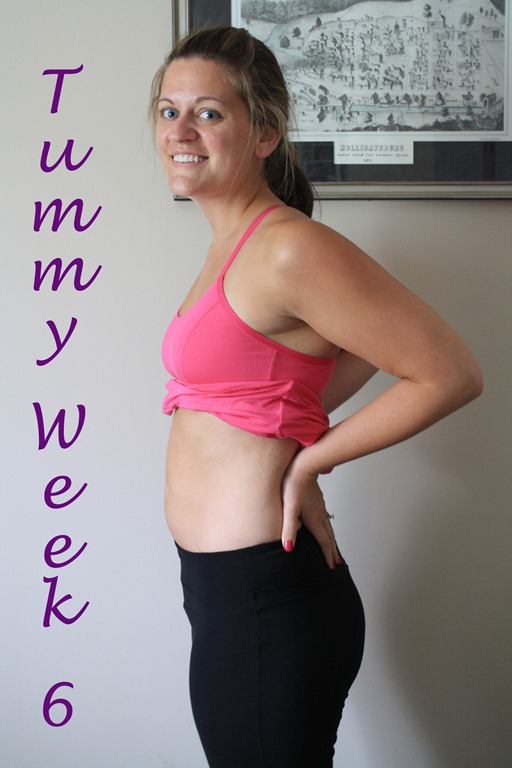
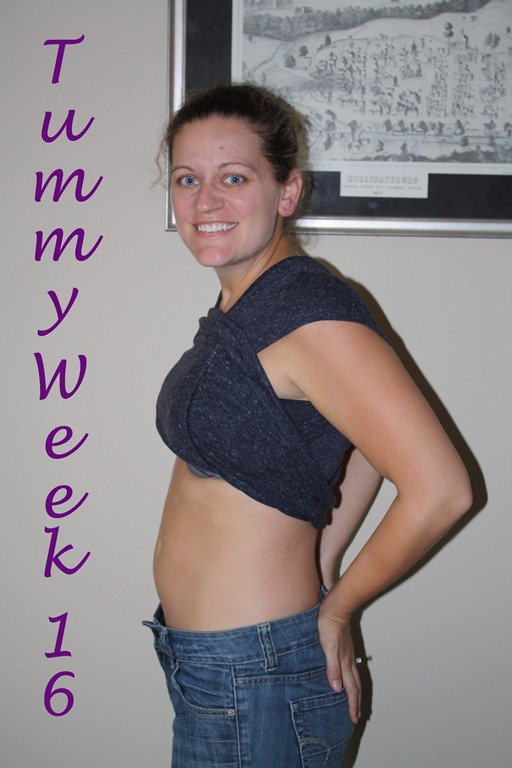
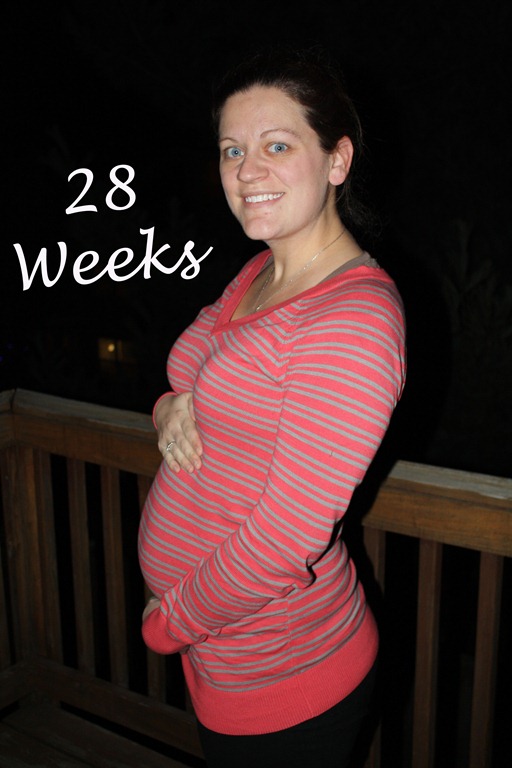
Check out a recap of Baby SoS’s 2nd week. I can’t believe we’re already on week 3… !
Hello with a Side of Sneakers readers! I’m Katie, the Registered Dietitian behind Healthy Heddleston, and am here to talk about 3 important nutrients that have been on the forefront of my mind during my pregnancy. That’s right, I’m pregnant! It’s been fun to follow Heather’s journey, as she was just two months ahead of me. I’m so so happy that her bundle of joy has arrived and to be guest posting today in order to allow her plenty of cuddle time (and sleep!) with baby!
FOLATE
When my husband and I started discussing having a baby, one of our thoughts was making sure my current vitamin had enough folate in it. We also needed to make sure I was actually taking this vitamin. Luckily, the chewable Flintstone met the criteria and we were off to start baby making. After finding out that we were indeed expecting, I quickly switched to a chewable prenatal with the appropriate amount of folate.

The Recommendation for Folate
The DRI for folate in females 14-70 years of age is 400 mcg/day. This increases during pregnancy to 600 mcg/day during pregnancy and 500 mcg/day during lactation.
Why Folate is Important
Evidence has been shown that an inadequate amount of folate is linked to neural tube defects in the fetus. The neural tube closes 28 days after the baby is conceived, a time when some women have yet to find out they are pregnant. Thus, it is important for all women capable of becoming pregnant to consume the recommended amount of food folate from your diet, supplements or fortified foods. When pregnancy is confirmed, it is important to follow the increased recommendation as well.
What are Neural Tube Defects (NTDs)
NTD’s are one of the most common birth defects, occurring in ~1000 live births each year in the United States. An NTD is an opening the spinal cord or brain that occurs very early in development. There are two types of NTDs: open and closed. Open NTDs are the most common type and occur when the brain and/or spinal cord are exposed at birth through a defect in the skull or backbones. Open NTDs include: spina bifida, anencephaly, and encephalocele. Closed NTDs are more rare and occur when the spinal defect is covered by skin. Closed NTDs include: lipomyelomeningocele, lipomeningocele, and tethered cord.
Foods Containing Folate
Folic acid is found naturally in some foods, including leafy vegetables, citrus fruits, beans, legumes, and whole grains. Folic acid is also commonly enriched in breakfast cereal, breads, flours, pasta, cornmeal, and rice.
IRON
During your first trimester, an initial blood panel is done to see your iron count. Mine was good and I didn’t need to worry about my iron intake then. However, plenty of women start taking iron in their first trimester, or just take a prenatal that contains iron. Chewable prenatal vitamins don’t contain iron though, because they would taste bad.
Then, when I had my glucose screening during the second trimester, another blood panel was done to check iron levels again. This is a time during pregnancy when many women start becoming anemic. I feel into this category and went out for iron pills that day.

The Recommendation for Iron
The DRI for iron in females 19-50 years of age is 18 mg/day. This increases during pregnancy to 27 mg/day. The recommended intake assumes 75% of iron is from heme-iron sources, meaning foods that are from animal sources that originally contained hemoglobin (i.e. steak). It is important to note that non-heme iron absorption is lower for those consuming vegetarian diets and it is suggested that the iron requirement for vegetarians is approximately 2x greater than those with a non-vegetarian diet.
Why Iron is Important
Iron is a mineral that makes up an important part of hemoglobin, the substance that carries oxygen throughout the body. Your body will absorb iron more efficiently during pregnancy and carries oxygen to both you and your body. Adequate iron intake will also help your avoid symptoms of tiredness, weakness, irritability, and depression.
Foods Containing Iron
Non-heme iron sources include: fruits, vegetables, and fortified bread and grain products. Heme iron sources include: red meats, poultry, and fish.
Tips to Remember
- Vitamin C helps your body absorb iron. Food sources of vitamin C include: citrus fruits, melons, cabbage, strawberries, green peppers, and broccoli.
- Calcium can decrease the absorption of iron.
- Caffeine can inhibit the absorption of iron.
- Iron is lost in cooking some foods.
- Constipation is a common side effect of taking iron supplements. Eating a fiber-rich diet and plenty of water will help reduce constipation.
CALCIUM
Calcium is important during your entire pregnancy, and since I had a no-appetite period during my first trimester, I‘ve had calcium chews on hand throughout my entire pregnancy. I only take one when I don’t think I’ve consumed enough during that day, but I’ve become hyper-aware of my calcium intake during the third trimester because the baby deposits so much more now.

The Recommendation for Calcium
The DRI for calcium in females 19-50 years of age is 1000 mg/day. This recommendation stays the same throughout pregnancy and lactation.
Why Calcium is Important
Calcium is essential in the role of blood clotting, muscle contraction, nerve transmission, and bone/tooth formation. During your third trimester your baby’s nutritional demands increase, and about 250 mg of calcium are deposited into his/her hardening skeleton each day.
Foods Containing Calcium
High calcium food sources include: milk, cheese, yogurt, calcium-set tofu, cabbage, kale, and broccoli.
Of course I could have focused on more nutrients than just these three, but these have been on the forefront of my mind over the past 30 weeks of my pregnancy. Feel free to check out everything baby-related that has been happening in the Heddleston household! Thanks for having me, Heather!