Injury prevention, Running
If you’re like me, you think the fitness world has come to an end if you can’t run. Silly. Ridiculous. Nonsense you say.
Well of course that’s nonsense, but try telling that to someone who uses running as more than just exercise…it’s therapy. You can bike and swim and elliptical all you want, but it doesn’t give you the same mental release or emotional freedom that running does.
The hardest part about returning from an injury is not being able to go out and pick up where you left off. You can’t always run through an injury, but there are some things you can do to keep you ready to hit the pavement when you’re all healed:
Yoga
Balance is essential for running. The act of running involves switching your entire weight from one foot to the other over and over again. Add in a couple potholes, a tree root, or a piece of debris in the road, and you’ll be relying on your sense of balance more than you know.
Having good balance helps you run smoother and more evenly, saving you precious energy for later in your run.

Pilates
Your core is the center for your running. A strong core holds the rest of your body in proper alignment, which helps prevent injury and helps give you a more powerful stride. Any ab workout will help, but make sure you focus on the entire core, and not just the lower abdominals.

BodyPump
(Or other strength training.)
While a strong core is essential, a strong upper and lower body is important too. Sure, running works the muscles in your legs, but it doesn’t target every single muscle- it tends to focus on the big ones. Actively targeting all the muscles in the legs will help improve your stride, prevent fatigue, and my favorite, help prevent injury.
A strong upper body may seem unhelpful when it comes to running, but it’s just the opposite. Strong arms and shoulders help you keep good form when running. Plus, it’s one less set of muscles that can get tired during your run.

Stretching
Not many people like to stretch. If you’re not naturally flexible, it can be pretty uncomfortable. Activities like yoga and ballet can make it more fun, but sometimes you just have to do it on your own.
Not only does improved flexibility keep you from being sore after a run, it increases your range of motion, which can make you faster or more efficient. Stretching also increases blood flow, which helps you recover faster.

What do you do to improve your running, not including running?
Running
For just a minute, I thought I saw the light at the end of the non-running tunnel. I’d started filling in all the open slots in my mental race calendar.

Silly me.
I need to learn to not get ahead of myself. Next time I mention the words “race”, “run”, “event”, or “sign up”, do me a favor. Tell me there’s no race worth entering until Dec 2013.
You’d be lying to me.

But it’s ok, I’ll let it slide.
Disclaimer: I will not be held responsible for any actions of hypocrisy pertaining to this post in the near future.
Running
This isn’t the first December I’ve been injured. I really need to work on my timing. When else are you supposed to ask for the ever elusive Garmin or a new road bike? 
Injured runners need gifts too, right?!
My picks for Runners:
Ice Packs.
If you’ve ever had an injury you know what an intimate relationship you develop with ice is. It doesn’t take long for a dripping plastic bag of ice cold water to persuade you not to ice- and that just won’t work.
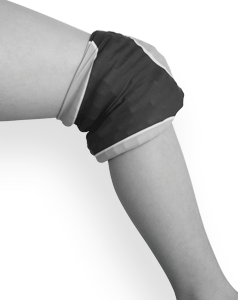
My old favorites: hot water bottle/ice packs. They can be used for warm or cold therapy, and never leak. I have one for each knee. Plus they’re cute- very important.

My new favorite: Ice cuffs. Like sleeves, only freezing cold. These packs keep the ice where you need it so you can go about your day and not be held prisoner to the couch {aka the #1 reason I skip icing.}

Books.
If you can’t run, why not torture yourself by reading about running?
My top 3 running books:
Long May You Run
It’s funny. It’s informative. It’s witty. I like it.

Born to Run
If nothing else, it’ll make you think. Superhuman tribes, pinole & chia drinks, and lots & lots of crazy running.

Running Anatomy
If you can’t be obsessed with running, you might as well be obsessed with why you can’t run. Learn about how the body works, how injuries happen, and how to keep them from happening again.

Therapy bands/Resistance bands.
A running injury usually comes down to the need to stretch or strengthen something. Bands and straps can help you progress faster.


Or go for a whole fitness kit and use it for all over strengthening.

New shoes.
You may not need them this second, but investing in a new pair of shoes after an injury isn’t a bad idea. Getting re-fitted (and telling the shoe fitter about your injury!) can help make sure you’re in the right shoe. Plus, you never know if your shoes were just a little too worn out. A new pair is like insurance for your feet.

If you run, get a foam roller. Period. {or a Stick}

So there you have it. Proof that I. am. lame. Frozen water and rolls of foam. That’s what I’m giving for Christmas. If you’re on my list, consider yourself lucky S.O.L.
Any other non-running running gift ideas?
Injury prevention
Today’s post is brought to you by Nic:
Nic Ebright is a Sports Massage Therapist and Corrective Exercise Specialist in Columbia, MD. He is a Multi-Sport enthusiast having participated in several running and triathlon events. He is a member of Ulman Cancer Fund’s Team Fight & Mid-Maryland Tri Club and volunteers for local events like Columbia Tri, IronGirl Columbia and Half Full Triathlon. You can learn more at www.nicebrightmassage.com
Ever since I had the pain in my back alleviated by a therapist after a race, I’ve realized sports massage is more than pampering & relaxing- it’s therapeutic & restorative.
Nic’s the one that taped up my knee during 24 Hours of Booty– he took one look at my horrible taping job, shook his head, and fixed me up in a matter a minutes. I felt great the rest of the ride.
I just had to pick an expert’s brain. 
1. How did you get started in massage therapy?
When I interned as an Athletic Trainer at Maryland (College Park 2001-2005), I was shown basic massage techniques to help athletes deal with swelling that resulted from my sprains and strains as well as help reduce scar tissue formed from healed abrasions and surgical incisions. After 3 years, I graduated and become a Sports Performance Coach, specializing in recovery, injury prevention & rehab. While other colleagues focused on the strength and condition aspect, I developed programs that addressed an athletes need to recover from challenging workouts and the high intensity demands of competition. Aside from nutrition, rehab exercises and mental mapping – I used massage therapy. I was really happy doing it and it worked for my clients, so I went to receive training, got licensed and have been loving it for the past 4 years.
2. What exactly is “sports massage”?
Sports Massage to me is the expert application of basic massage techniques (Gliding/Stretching, Compression/Kneading, Friction and Vibration) used separately or in combination to help an athlete “feel better” – whether it’s from muscular pain or performance-related stress. The “Sports” part involves having a deep academic and practical background of athletic injury, rehab and performance knowledge. It’s important to know about injury patterns and about how the body response to exercise (or lack of) and injury so that I can determine which techniques are appropriate per individual.
3. Who would benefit from a sports massage?
Anybody who participates in any activity. Whether you lift boxes or lift weights, Run errands or run marathons, ride the desk 9-5 or ride the bike 5-9. If you have muscle pain are tightness, you should try massage.
4. Is there anybody that should stay away from sports massage? (Such as any particular injuries, conditions, etc.)
In general, sports massage is not appropriate for severe or sudden injuries and conditions like fever, fractures, severe inflammation (grade 2 or 3 sprain or strain), hernia, and contagious skin conditions. My first rule is “Do no harm”, so if it’s something that you need to see a doctor for first, then I wouldn’t recommend massage.
5. What types of injuries do you see the most?
Since I work with a lot of endurance athletes these days, they tend to come to me for chronic overuse injuries like Plantar Fasciitis, Runner’s Knee, Low back and neck pain and Sciatica. These injuries are occurring with well seasoned athletes as well as beginners.
6. I’ve heard getting a massage right after an endurance event isn’t good for you, but there’s always massage therapists at races…can you clear that one up?
This is a matter of individual preference, really. If your body is well adapted to the event, you might not be sore at all compared to someone who isn’t as well adapted (most beginners). I believe it’s the therapist who can hurt not the therapy. A well skilled therapist should be using lighter gliding, compression and stretching techniques to help with cramping and calm the nerves down.
Personally, even though I’m a therapist, I didn’t want anybody to touch my legs after my first Marathon. I had to wait a few days for the pain to subside before I made an appointment.
Contrary to popular belief, massage doesn’t prevent or reduce DOMS (Delayed Onset Muscles Soreness), training and adaptation is more of an influence with that.
7.What’s your favorite part about being a massage therapist?
Knowing that I can contribute to the success of my clients. Some times I’ll see a client on TV or in the newspaper and think, “I helped him or her get to Kona or the Boston Marathon or be able to play on Sunday night.”
8. Least favorite part?
Bargain Hunters. In general, people who only visit when I have a discount or promotion (I don’t invite them back) . I tend to think most of my clients respect my profession and appreciate the investment that they make. Athletes usually appreciate that aspect because they make their own investments into their training. If they appreciate it and I know that cost is an issue, then I usually adjust my fees to accommodate their budget.
9. I’m a big fan of the foam roller and the stick- any advice you could give for someone interested in self-massage? (Any major do’s or don’ts?)
Do try it. I encourage clients to do self-massage for maintenance in between sessions. That means you can go longer in between “tune-ups”.
Don’t press too hard. applying to much pressure can cause bruising and even more tissue damage.
Do go slow. If you do want to apply more pressure, do it gradually to let the muscles adapt. Muscles tend to contract more when pressure is applied too suddenly.
No Gain with Pain. It should never be painful. Your goal should be to relax tight muscles or stimulate tired muscles, but not cause pain to the muscles.
10. Seriously, how bad is it giving massages to people that have just sweat for 4 hours in a marathon?
It’s not bad at all, just as long as I clean and wipe everything down before the next athlete, I’m fine. I’m usually the best thing that happens to a Marathoner after 26 miles of running.
Anything else you want people to know?
Ultimately, it comes down to choosing the Therapist not the Therapy. Try out different types of massage and Massage Therapists and find the one that works for you.
Thanks Nic!
Have you ever gotten a sports massage? What did you think?
Injuries
“Hit the stop button. Get off the treadmill. I can’t let you run anymore, you’re gonna get hurt.”
Those words sound horrible, evil, depressing.
But to me, they were magical, beautiful, fantastic.
Those words meant there was something wrong with the way I was running. Seeing something wrong means there’s something to be fixed.
Yesterday was supposed to be the day the orthopedist was going to insist on surgery if I wasn’t running yet.
(I’m not running yet. I only made it to half a mile.)
5 months is a really, really long time when you’re wishing you were running or biking or something. But in the grand scheme of things, 5 months isn’t that long. No way was I letting some doc that saw me for a few minutes every 4 weeks slice my knee open.
So with a deadline impending (and my insurance deductible conveniently met) I searched out other options.
I finally found a guy that was certified in ART- active release technique– which I’ve heard can be quite successful in resolving chronic injuries. The guy sounded good- he had experience, he had advanced certifications, and he was a runner & triathlete. IS a runner & triathlete.
With nothing to lose, I knocked on his door and begged him to fix me.
Bad news: I’m quite messed up.
Good news: It’s likely fixable.
Hallelujiah!
He didn’t say rest and ice and covered it in some pain numbing cream and come back and expect it to be magically better.
He said it was going to take time, a lot of hard work, and some more pain before I was up and running again. But he didn’t say if I was running again. 
My head was flooded with so much information I can hardly remember it all, but the gist of it is this:
My left IT band is hurting because my right side is rotating too much when I run. It sounds backwards, but because of the rotation, extra stress is being put on my left IT band and my left leg is working much harder than it should be. My joints are super mobile, but extremely inflexible…aka a bad combo.
(He was convinced from watching me run that I’d had an injury to my right hip in the past. After insisting I never did, and him asking over & over, “are you sure?” I suddenly flashed back to my high school days were I limped and hobbled around with tendinitis in my right hip from dancing.)
I was amazed- the doc just looked at me standing in front of him and pretty much knew right away what he thought the problem was. He did a few more tests- balancing, squatting, rotating, etc and watched me run on the treadmill.
Not one x-ray. No MRI. No poking and prodding. Problem found. Genius. (Or super quack.)
So now starts more therapy, more exercises, more doctor’s appointments. But this time the exercises make so much more sense to me. They’re functional. I can feel how hard they are on the right instead of the left.
And me explaining all that probably took longer than it did for him to diagnose me.
Have you ever tried alternative therapies? What was your experience like?