
The Skinny on BMI
BMI. We’ve all heard about it: the ultimate measure of weight beyond pounds. But what is it really?
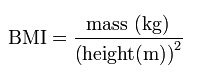
BMI, or body mass index, is a way to screen for or measure overweight and obesity by looking at weight in relationship to height. You can use a helpful body mass index calculator to determine your BMI.
So what does the number mean?
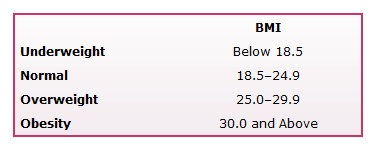
This number helps give you an idea of body fat. Knowing how much body fat you have is important, since it’s associated with a whole heap of diseases, including diabetes, heart disease, gallstones, high blood pressure and even some cancers.

But is it really the ultimate tool?
The BMI measure does have its limitations:
– It may overestimate body fat in muscular individuals, such as athletes. Muscle ways more than fat, thereby increasing your body weight. BMI doesn’t distinguish between weight from fat and weight from muscle.
– It might underestimate body fat in the elderly. Typically, you lose muscle as you age, which may throw off the standard BMI measurement.
– It’s best used for adults: adolescent growth spurts can throw off the measurement’s accuracy.
That being said, BMI remains a useful screening tool, especially when combined with another easy measurement: waist circumference.
Waist circumference is exactly what is sounds like: the distance around your waist. Weight carried around the midsection is particularly dangerous and indicative of disease. Women should aim for a waist circumference less than 35 inches; men less than 40 inches.
Measuring actual body fat percentage is also a useful way to determine risk of overweight and obesity, but it’s not as easy as waist circumference.
So what do we do with these numbers?
If your BMI puts you in the obese category, or in the overweight category and you have 2 or more risk factors for disease, it’s time to start shedding a few pounds.
What are the risk factors?
| High waist circumference | High blood pressure |
| High LDL cholesterol (the bad stuff) | Low HDL cholesterol (the good stuff) |
| High blood sugar | High triglycerides |
| Physical inactivity | Smoking |
| Family history |
A 5-10% weight loss can make a dramatic difference in your health and disease risk.
Do you know your BMI? What do you think of using BMI as an assessment tool?


